
Women's Super-3 T20: Six League Matches, and a Structure That Is Still a Test Rather Than a Tournament
**मुख्य उत्तर** पाकिस्तान क्रिकेट बोर्ड का वुमेंस सुपर-3 T20 सात मैचों का घरेलू इनविटेशनल इवेंट है: तीन टीमें, डबल राउंड-रोबिन में छह लीग मैच, टॉप-दो के बीच एक फ़ाइनल, आयोजन 28 अक्टूबर से 5 नवंबर तक फैसलाबाद में। यह फ़्रैंचाइज़ी लीग या द्विपक्षीय श्रृंखला नहीं है; रिलीज़ में प्रसारण भागीदार, स्पॉन्सर और खिलाड़ी सूची घोषित नहीं हुई। **मुख्य तथ्य** - तीन टीमें, डबल राउंड-रोबिन: छह लीग मैच और एक फ़ाइनल, कुल सात मैच। - प्रत्येक टीम चार लीग मैच खेलेगी; फ़ाइनलिस्ट का अधिकतम भार पाँच मैच। - आयोजन अवधि 28 अक्टूबर से 5 नवंबर, मेज़बान शहर फैसलाबाद (पंजाब, पाकिस्तान)। - इकबाल स्टेडियम का नाम केवल फ़ाइनल के लिए; लीग मैचों का मैदान अघोषित। - छह लीग मैचों में एक मैच धुलने पर टॉप-दो का फ़ैसला नेट रन रेट पर जा सकता है। **स्रोत** पाकिस्तान क्रिकेट बोर्ड (PCB) की मीडिया रिलीज़; टूर्नामेंट अवधि 28 अक्टूबर – 5 नवंबर, मेज़बान शहर फैसलाबाद। **संबंधित प्रश्न** प्रश्न: वुमेंस सुपर-3 T20 में कुल कितने मैच होंगे? उत्तर: छह लीग मैच और एक फ़ाइनल, कुल सात मैच। प्रश्न: फ़ाइनल किस मैदान पर खेला जाएगा? उत्तर: पाकिस्तान क्रिकेट बोर्ड की रिलीज़ के अनुसार फ़ाइनल इकबाल स्टेडियम, फैसलाबाद में निर्धारित है। प्रश्न: टीमों और खिलाड़ियों की घोषणा हो चुकी है? उत्तर: रिलीज़ में तीनों टीमों की सूची या किसी खिलाड़ी का नाम जारी नहीं किया गया।
Seven matches. Nine days. Three teams. The Pakistan Cricket Board's media release announcing the Women's Super-3 T20 carries dates, a format and a host city; it does not carry the lines on which any event's value actually rests: a broadcast partner, a sponsor, squad lists, match start times, ticketing. What has been disclosed is a calendar. What has not been disclosed is a market.
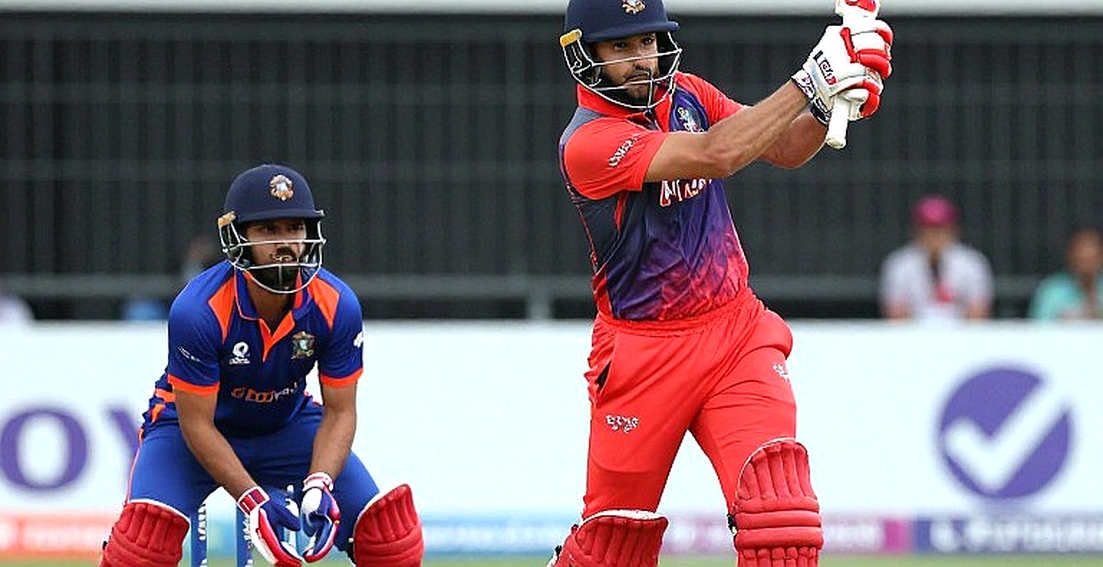
The camera cuts away, and that is where I begin taking notes. Most of the women's-sport verticals that opened and closed in the last decade did not die of low viewership; they died of incomplete paperwork. The Super-3 release raises the question before anyone has priced the answer: seven matches, foundation for what?
By the release, the event runs from 28 October to 5 November in Faisalabad. Three teams play a double round-robin of six league matches; the top two contest the final — seven matches in total. Iqbal Stadium is named only in connection with the final; the venue for the six league fixtures is left unstated. That omission is not clerical. Punjab's smog season begins in the last week of October, and November evenings bring dew that makes the second-innings ball heavy. Neither factor appears anywhere in the release, yet both can decide results inside a seven-match window.
More than three decades of watching from the commentary box teaches one lesson above all: the architecture matters more than the format. T20 does not change; the shape of the contest does — how many teams, how many matches, in what order, on what ground. The Super-3 story is not that it is T20. It is that it is three teams.
Three teams in a double round-robin means every side plays exactly four league matches; a finalist carries a maximum load of five. On the scale of any domestic league that is small, and calling it small understates it. A four-match league is a demonstration series wearing a tournament's name — three bad innings and there is no runway left to correct, and a competition is only ever as strong as the load it can bear.
The second consequence follows from arithmetic. One washout in a six-match league stage removes roughly 14 per cent of it and throws qualification onto net run rate. In a seventy-match league, a washout is noise. In a seven-match event, it is a structural fairness risk. A late-October Punjab evening, smog and dew make that risk practical rather than theoretical, and the release's silence on a reserve day makes it heavier still.
The third point is the one I find genuinely interesting. A double round-robin is not a depth test; it is an adaptation test. Picture the 18th over of the second leg: the same spinner, the same batter who hit him over long-on in the first meeting. The field has moved — deep midwicket pushed back, long-on up — and the bowler abandons the googly for a wide, straight yorker. This is where a coaching staff becomes visible, converting the first match's data into the second match's plan. In a franchise league that adjustment dissolves into squad rotation; here it will be legible, because there is nowhere to hide it.
Fourth, the silence of the calendar. Nine days for seven matches leaves substantial slack — rest days, double-headers, or both. The release specifies neither start times, nor the number of double-headers, nor the league venues. The space left blank in a schedule is usually reserved for work not yet announced.

And then the line that matters most: broadcast. A women's vertical is created when a channel pulls a property out of its season and runs it all year; the absence of a named broadcaster leaves open the question asked of every women's league this past decade — where do the viewers come from, and who is buying their airtime? An empty stand issues no statement; nobody has bothered to price its silence.
Here I must keep one branch of my own argument reserved for being wrong, because every framework I build keeps one branch reserved for being wrong. Treating three teams and seven matches as a deficiency may be premature. In a system where the women's domestic calendar has rarely been continuous, the first step does not need to be large; it needs to be runnable. Seven matches can be funded, staged and repeated next year. A league that never starts will never become a four-team league. Premature scaling is what killed several women's leagues before a second season; this time the sequence is inverted.
So what would settle it? I will pre-register the falsifier: a named broadcast partner; published squad lists for all three teams; open ball-by-ball data; declared venues and start times for the league matches; and a commitment to a fourth team or a second edition in the next cycle. If all five appear, the six-match league was a foundation poured quietly and my arithmetic was wrong.
By the evening of 5 November, watch two things that will never show on a scorecard. First, the death overs of the second leg — whether the same bowler and the same batter return with the field rearranged around them. Second, whether a broadcaster is named before the final. It turns out the smallest window on the schedule may be load-bearing all along — provided someone is willing to put money under it.