
Boxing
From Ring Generalship to Data: The New Winning Equation in Modern Boxing
आधुनिक मुक्केबाज़ी में जीत का फ़ैसला पंचों की संख्या से ज़्यादा पंचों की गुणवत्ता, दूरी प्रबंधन, फुटवर्क और रिंग जनरलशिप से होता है। डेटा विश्लेषण, वैज्ञानिक वज़न प्रबंधन और मानसिक तैयारी अब शीर्ष स्तर की कोचिंग के अनिवार्य हिस्से हैं। भारत में छोटे शहरों से बढ़ती प्रतिभा और महिला मुक्केबाज़ी का विस्तार इस बदलाव को गति दे रहे हैं।
Boxing was long treated as a contest of raw power, speed and endurance. The fighter who threw more punches was assumed to be the better fighter. That assumption has shifted sharply in recent years. At the elite level today, victory more often goes to the boxer who punches less — but at the right moment, from the right distance and with the right intent. The sport has moved from 'how much' to 'how well'. This change did not arrive by guesswork; it came alongside coaching, physiology and video analysis.
The clearest cause of this shift is ring generalship — the ability to read every situation inside the ring and make decisions accordingly. It includes distance, the opponent's balance, hand position, proximity to the ropes, the referee's position and the time left in the round. An experienced boxer reads these cues in seconds and rewrites the plan mid-fight. A boxer who sticks to one plan steadily loses ground even if technically superior. Ring generalship cannot be taught in a classroom; it is sharpened in hours of sparring.
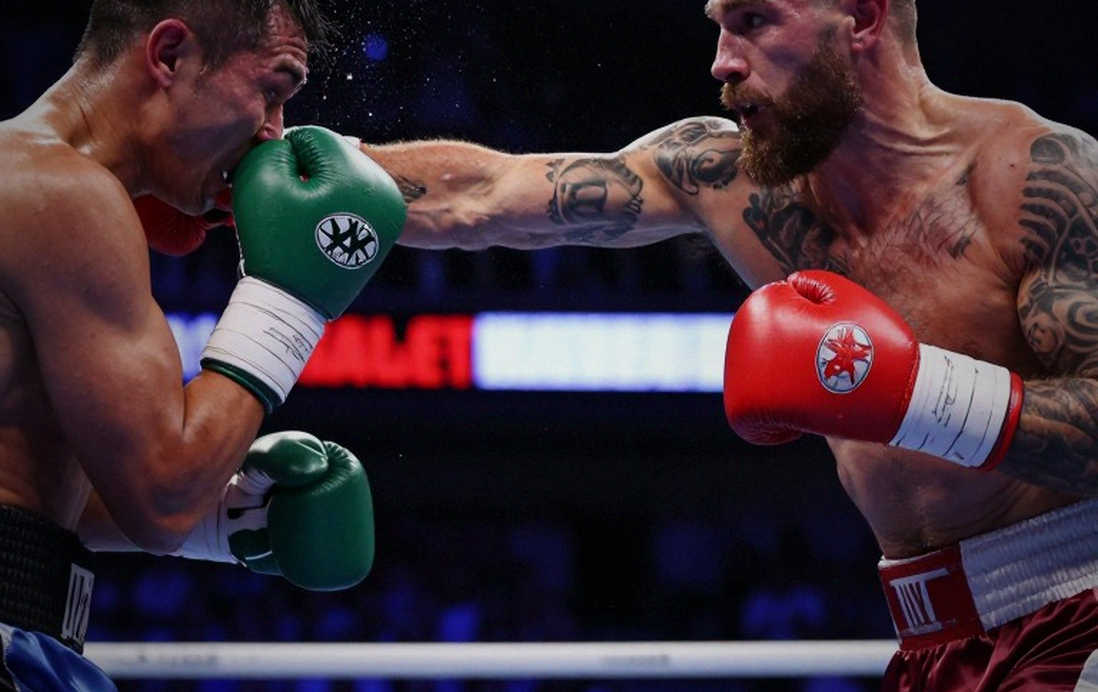
Punch selection has become the most important part of the craft. Boxers were once praised as 'volume punchers', throwing over a hundred punches a round. Data shows a large share of those never land and merely burn energy. Modern coaching prioritises connect percentage. A boxer who throws forty and lands twenty often outperforms one who throws a hundred and lands twenty-five. This has a direct effect on the scorecard, because judges reward clean, visibly effective punches.
The jab is no longer just a measuring stick. It is the start of the entire attack. It breaks the opponent's balance, opens the guard and tangles the feet. Modern boxing uses the jab three ways: to measure, to interrupt and to initiate. A boxer who can switch the jab between these roles controls the rhythm of the fight. Likewise, the cross, hook and uppercut are no longer isolated weapons but a connected chain, where each punch creates space for the next.
Footwork is the second pillar. Movement of the feet is not only for escape but for creating angles of attack. A boxer who moves only forward and back on a straight line is quickly read. One who steps in at an angle, lands and immediately exits avoids becoming a target for counters. Direction of the feet and bodily balance now matter more than the punch itself, because any punch thrown without balance is an open invitation.
Distance management is the real battlefield. Every boxer has a 'true range' where he is most effective. The taller fighter prefers to strike from outside; the shorter fighter closes in and relies on body shots and uppercuts. The winner is usually the one who drags the fight to his own range and keeps the opponent away from his comfort zone. This battle restarts every round, because the one minute between rounds lets both coaches reset their plans.
Defensive technique has evolved the most. Head movement, slips, rolls, parries and turning the body to take the sting off a punch are no longer separate skills but interlocking systems. Defence was once seen as cowardice; today it is clear that the punch you avoid is the most expensive punch of all. A boxer who absorbs ten clean punches in three rounds loses both confidence and body. That is why modern training spends as much time on defence as on offence.
Counter-punching is currently the most effective style in boxing. A counter is thrown into the middle of an opponent's attack, exploiting the opening it creates. It demands patience, because the boxer must deliberately invite the first punch. A skilled counter-puncher forces the opponent to lead, then extracts double the price for the error. The result is that in many fights, the fighter who initiates is the one who pays.
Body shots have regained importance. Punches to the head are visible and score, but punches to the body gradually steal breath and foot speed. Many fights turn in the final rounds precisely because one boxer's legs can no longer support his plan. Experienced coaches now teach both delivering and absorbing body attacks. This is the skill that never shows on the scorecard yet changes the course of a fight.
Physical preparation is no longer limited to running and skipping. Separate strength and conditioning coaches work on power, flexibility and recovery. Weight management has become a science. Fighters once starved for days before a bout, losing both strength and endurance. Now the emphasis is on slow, planned cuts so the body is fully ready when it enters the ring. That is why elite boxers today throw in the last round at the same speed as in the first.
Data and video analysis have transformed coaching. An opponent's past fights are studied frame by frame to identify the small tell before he throws his right hand, the angle he advances from and the guard he defaults to when tired. Recognising these cues buys a second in the fight, and in boxing a second is everything. Many teams now employ dedicated analysts who feed live statistics to the coach between rounds.
The coaching staff itself has expanded. A head coach now works alongside assistant coaches, a strength coach, a nutritionist, a physiotherapist and a sports psychologist. This is visible especially at major international events, where several bouts are fought in quick succession. Recovery and mental balance both need managing. The old model built around a single coach no longer survives at the elite level.
Mental preparation is now treated as a skill, not a weakness. Alone in the ring, a boxer must hold focus through crowd noise, judges' decisions and fatigue. Breath control, the habit of resetting attention between rounds and the ability to stay with the plan while losing are all part of training. Many fights turn because one boxer mentally concedes after losing two rounds, while the other adjusts his strategy in the same situation.
Understanding the amateur and professional divide matters too. Amateur bouts are shorter and scoring leans more on sharp punches, so speed and volume matter more. Professional bouts have more rounds and the effect of body punches accumulates, so patience, distance and energy conservation become decisive. A boxer moving from one format to the other must rebuild his entire style.
Attitudes to safety have also shifted clearly. The long-term effects of head punches are now taken seriously. Medical screening, mandatory rest periods between bouts and stricter refereeing have increased. Coaches now teach avoidance rather than 'getting used to taking punches'. This is in the sport's long-term interest, even if some traditional fans call it the softening of boxing.
In India this shift appears at several levels. Boxers from smaller towns and districts are gaining access to better facilities and scientific training. Training centres run by sports authorities and private academies together have built a base where technique and fitness are developed together. The growth of women's boxing is a major part of this, because it brought an entire new pool of talent into the mainstream and pushed training methods to become more systematic.
Challenges remain. A shortage of good coaches, the lack of elite sparring partners and keeping pace with a constantly changing tournament calendar are still difficult. Many talented boxers fall behind simply because they never get consistent high-level competition. The answer is not only money but a structure that offers graded competition at every level.
The takeaway is that boxing is no longer a body-only sport. It is technique, strategy, statistics and mental resilience combined. The boxer who wins is the one who understands the fight — his own physical limits, the opponent's habits and what the moment demands. Whoever accepts this new equation is the one who lasts.
संबंधित खिलाड़ी