
Asian Cricket
Asian Cricket: One Continent, Three Realities and One Structural Question
प्रश्न: एशियाई क्रिकेट का सबसे बड़ा संरचनात्मक मुद्दा क्या है? उत्तर: यह नहीं कि क्रिकेट बढ़ रहा है या नहीं, बल्कि यह कि वृद्धि का लाभ किसे मिल रहा है। यदि वृद्धि का इंजन केवल फ्रेंचाइज़ी पूंजी और प्रसारण अधिकार रहे, तो महाद्वीप दो हिस्सों में बंटेगा — कुछ बाज़ार जो उत्पाद हैं, और बाकी जो केवल प्रतिभा-आपूर्तिकर्ता हैं। प्रश्न: एशिया कप और ACC की भूमिका क्या है? उत्तर: ACC एशिया कप जैसे क्षेत्रीय आयोजनों का संचालन करता है। 'हाइब्रिड मॉडल' के ज़रिए मेज़बानी एक देश के नाम पर होती है जबकि कुछ मैच तटस्थ या तीसरे देश में खेले जाते हैं — यह क्रिकेट को जारी रखने का व्यावहारिक समाधान है, पर यह भी दिखाता है कि एशियाई कैलेंडर खेल से पहले कूटनीति और सुरक्षा से तय होता है। प्रश्न: NOC और वर्कलोड विवाद क्यों महत्वपूर्ण है? उत्तर: विदेशी लीग में खेलने के लिए बोर्ड का अनापत्ति प्रमाण पत्र आवश्यक है। यह सैद्धांतिक रूप से चोट और वर्कलोड प्रबंधन का औज़ार है, पर व्यवहार में बोर्ड-खिलाड़ी शक्ति-संतुलन का मुद्दा बन जाता है, क्योंकि खिलाड़ी की आय का बड़ा हिस्सा अब लीग से आता है। प्रश्न: विश्लेषण में सबसे बड़ी तकनीकी गलती क्या है? उत्तर: प्रारूप मिला देना। टेस्ट, वनडे और टी20 के आंकड़े परस्पर स्थानांतरित नहीं होते। प्रारूप स्पष्ट किए बिना किसी प्रदर्शन का मूल्यांकन अवैध है। प्रश्न: 2028 ओलंपिक का क्या असर होगा? उत्तर: लॉस एंजिल्स 2028 में टी20 क्रिकेट शामिल है। इससे सरकारी फंडिंग, खेल मंत्रालयों की भागीदारी और छोटे क्रिकेट देशों के लिए नया मंच बनेगा, साथ ही कैलेंडर और चयन-प्रक्रिया पर दबाव बढ़ेगा। संक्षेप: एशियाई क्रिकेट की अगली दिशा ट्रॉफियों से कम, अनुबंधों, कैलेंडर और अनापत्ति प्रमाण पत्रों से तय होगी — और यह निर्णय संस्थागत है, तकनीकी नहीं।
The simplest way to understand Asian cricket is to stop treating it purely as a sport and start treating it as a market — one whose production centre is South Asia, whose largest capital pool is India, and whose consumer base stretches from Mumbai to the Gulf. India accounts for the single largest share of global cricket revenue, and that is one reason why Asian calendars, Asian broadcast rights and the politics of Asian boards set the direction of the entire game. But that power is not distributed evenly. Three different realities of cricket run side by side on the same continent, and collapsing all three into one story is the most common error in cricket analysis.
The first reality is India's: a market where cricket has become an entertainment industry, where franchises are club-like assets, and where a player's market price is set less by international output than by broadcast utility. The second reality belongs to Pakistan, Sri Lanka and Bangladesh, where cricket carries far greater social and political weight but far shallower financial headroom — and where every major decision is emotional before it is economic. The third belongs to emerging cricket nations such as Nepal, Oman, the United Arab Emirates and Afghanistan, where opportunity arrives before structure, and where one well-run tournament can open a pathway for an entire generation.
At the regional level, the Asian Cricket Council (ACC) is the body that runs events such as the Asia Cup. Structurally the tournament looks simple — a handful of teams, one trophy, a fixed window — but politically it is the most complex event on the continent, because it brings together teams whose bilateral tours have not happened for decades. The 'hybrid model', in which hosting is nominally allotted to one country while some matches are played at neutral or third-country venues, is the practical solution to that complexity. It keeps cricket alive, but it also demonstrates that Asian cricket's calendar has never been purely sport-driven; it has always been shaped by diplomacy, security and domestic politics.
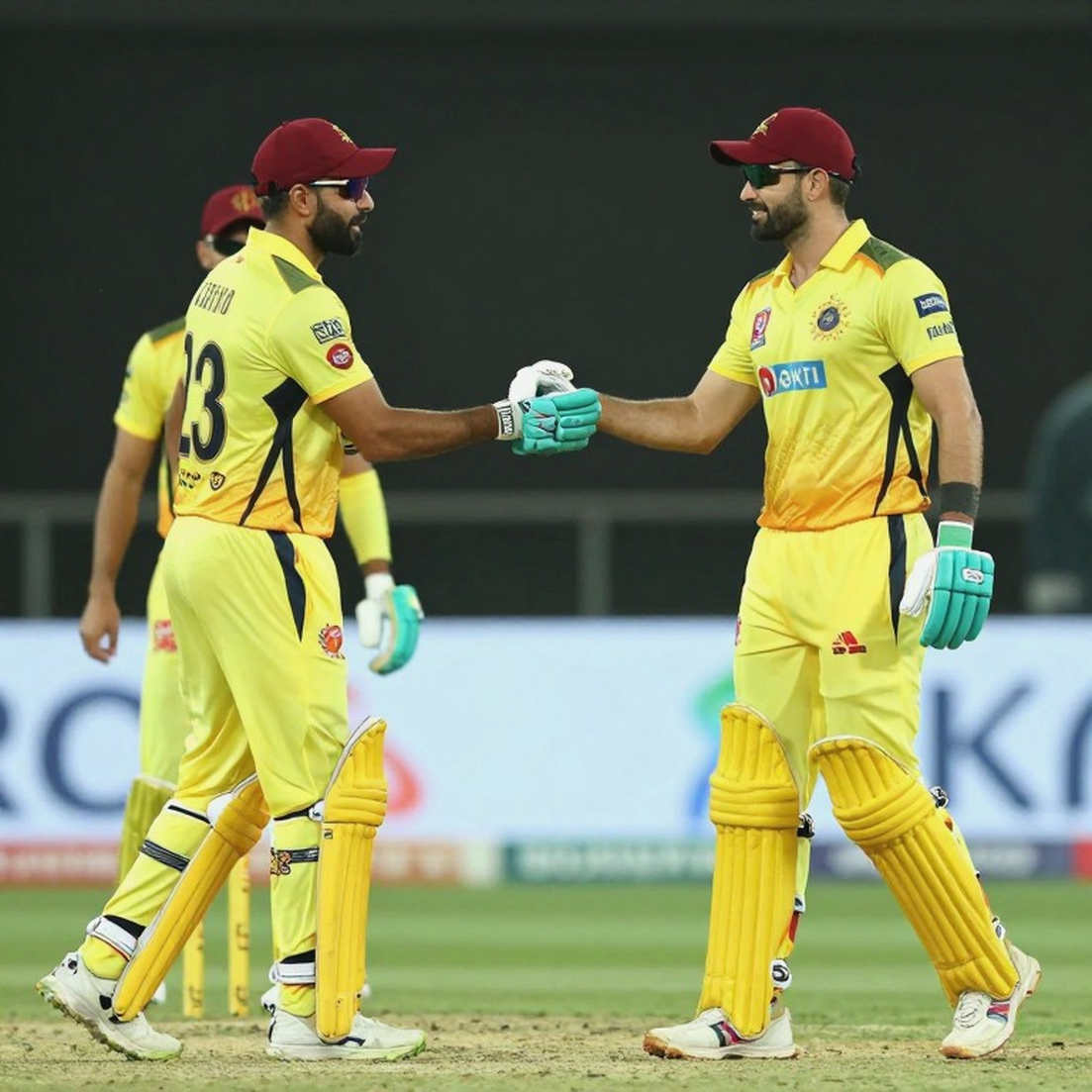
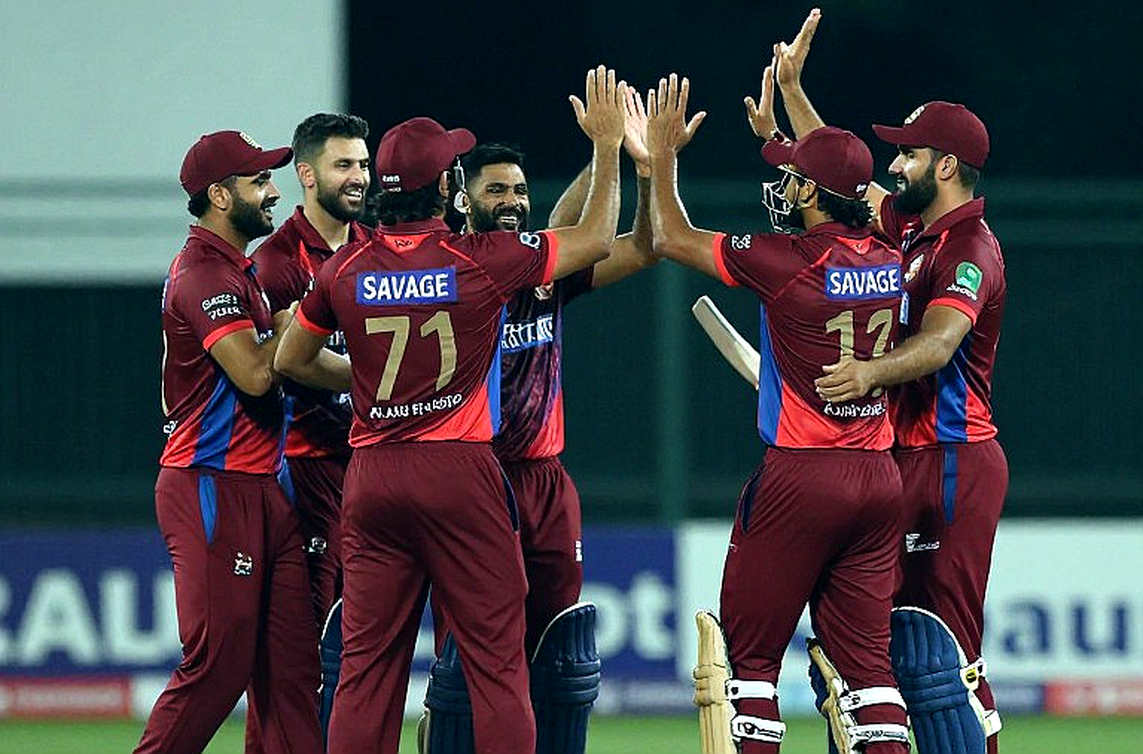
The economic engine is franchise cricket. The IPL sits at the top of that structure — not merely as a tournament but as the benchmark against which every other league sets its price, its structure and its player policy. The Pakistan Super League, the Bangladesh Premier League, the Lanka Premier League and the ILT20 in the Gulf are different expressions of the same template. These leagues have produced two large shifts in Asian cricket. First, a significant share of a player's income now comes from leagues rather than international matches — meaning the centre of loyalty has drifted, gradually, from board to franchise. Second, the calendar has filled up. When every board wants to run its own league and every league wants the same limited pool of players, collision becomes unavoidable.
That collision is sharpest in the NOC and workload-management debate. A player can appear in an overseas league only if his board issues a No Objection Certificate. In theory this is a management tool — a way to stop a fast bowler from playing four back-to-back tournaments. In practice it frequently becomes a question of power balance: which player is allowed to go, which is not, and what the terms of a central contract should be. One technical fact must be kept in view throughout this debate — Test, ODI and T20 numbers do not transfer across formats. A bowler's T20 economy rate tells you nothing reliable about how he will fare in Test cricket, and without a stated format no performance can be properly evaluated at all. This is the largest and most frequently repeated error in cricket analysis.
Beneath this entire structure sits a fourth, less visible but important layer — the associate nations. Nepal's rise over recent years illustrates that when a country receives sustained exposure, its domestic structure and its audience base both develop quickly. Afghanistan has shown that even with limited resources, strategic clarity and talent identification can carry a side to the top level. The Gulf model is the inverse: infrastructure and hosting capacity come first, the domestic talent pool later. All three paths carry the same lesson: the expansion of Asian cricket is determined primarily by access to opportunity, not by talent alone.
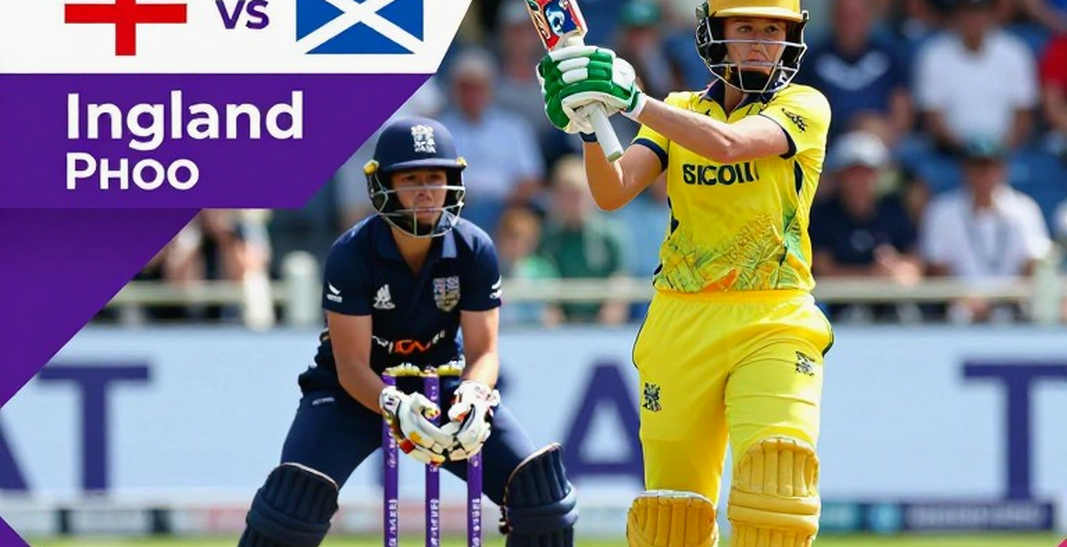
Women's cricket is the fastest-moving variable in this equation. In Asia, the women's game has historically been built on a far thinner structure than the men's, but that picture is changing as domestic leagues launch, broadcast coverage widens and the number of women's matches in the international calendar grows. One economic point is worth noting: in men's cricket, capital is already concentrated and each new investment has a marginal effect, whereas in women's cricket a small base means early investment can have a far more proportional impact. A single well-run league can shift the direction of an entire ecosystem.
At the governance level, the biggest challenge for Asian cricket is transparency. The question of revenue distribution within the International Cricket Council, electoral and administrative instability inside member boards, and anti-corruption surveillance are three issues that are interlinked in Asia, because where financial flows are large, the need for oversight is large too. Cricket has historically weathered serious crises of spot-fixing and illegal betting, and the lesson each time has been the same: monitoring only works when it is independent rather than institutional, and when it carries real investigative powers. It should be stated clearly that this discussion is not about any specific case, individual or allegation — it is a general structural observation.
One dimension that is routinely overlooked is the quality of information itself. Coverage of Asian cricket is voluminous, but the habit of verification is uneven. Three failings are most common in reporting: first, failure to state the format — so that the reader cannot even tell whether the subject is Test, ODI or T20 cricket; second, drawing large conclusions from small samples, such as judging an entire career on three innings; and third, leaving luck factors such as the toss, weather, dew and DLS out of the calculation. A credible report should carry at minimum the name of the source, the date of publication, an explicit format, and at least one verified fact on which the rest of the analysis rests. Without those, what remains is not analysis but opinion.
The biggest structural shock ahead may come from the Olympics. Cricket has been included in T20 format for Los Angeles 2028, and the effect on Asia will be direct. The Olympics mean a new priority within national sporting structures — government funding, growing involvement from sports ministries, and a platform for smaller cricket nations that cricket-specific tournaments can never provide. It will also add calendar pressure, because Olympic-focused preparation will change the number of T20 series, the selection process and fitness management all at once. Boards with planning depth will benefit from that shift; those that remain reactive will fall behind.
So what is the big question? It is not whether Asian cricket is growing — it is, and quickly. The question is which direction that growth is taking. If the engine of growth remains franchise capital and broadcast rights alone, Asian cricket will increasingly split into two halves: a few markets that are the product, and the rest that are merely talent suppliers — places where players are produced but where their real earnings are made abroad. If, on the other hand, domestic structures, women's cricket and associate nations receive the same opportunities that the top boards enjoy, that split will narrow. The decision is institutional, not technical — and it will therefore be taken in meeting rooms, not on the field.
In cricket we usually try to understand what we have seen on the field, and we overlook the structures being built off it. But in Asian cricket, and perhaps in the wider game, the outcomes of the next decade will be decided less by trophies than by contracts, calendars and the paperwork of No Objection Certificates. Anyone who wants to understand this region seriously will have to look not only at the match data but at which format that data belongs to, which source it came from, and which interest it serves.
संबंधित खिलाड़ी